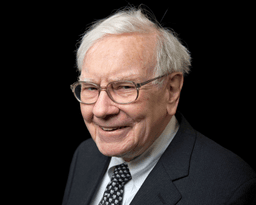
Turning a failing textile mill into Berkshire Hathaway
The most-copied and least-imitated investor alive. Buffett's method is unglamorous on purpose: buy good businesses at sane prices and then do almost nothing for decades.
Buffett bought control of Berkshire Hathaway in 1965 — a declining New England textile manufacturer he later called the dumbest stock he ever bought. He kept the name and redirected the cash into insurance, which gave him something more valuable than any single investment: float, other people's premiums to invest before claims came due.
His method changed once, and the change is the interesting part. He began as a strict Graham disciple buying statistically cheap, mostly bad businesses — cigar butts with one puff left. Charlie Munger pushed him toward paying fair prices for genuinely good businesses instead. See's Candies in 1972 was the pivot: expensive by his old rules, and one of the best purchases he ever made.
What makes the approach hard to copy is not the analysis. It is the waiting. Buffett's returns come from a small number of decisions held for a very long time, punctuated by long stretches of doing nothing while others get rich faster. Most people who say they invest like Buffett are unwilling to underperform for the three or four years that the method periodically requires.
Where it fails: the approach is close to useless for anything whose economics cannot be forecast a decade out, which now includes a large share of the market's value. Buffett's own late admission that he was wrong to avoid technology for so long is the honest version of that limitation.
Biographical reference only. Nothing here is investment advice, and no affiliation with or endorsement by the people profiled is implied.
